Engineering comparison · 21 November 2026

XJ314 and
Roadster Rocket

What the Hucknall rig records establish, what Tesla’s demonstrations show and what the calculations reproduce.

XJ314 · FreeCAD
Native first opening of the R11 working FCStd. Geometry matches the sealed R10.
490physical objects / 683 solids in XJ314
864thermal cases on the reproduced baseline
0 / 4credited attempts in the local Roadster 5 m series

Comparable features

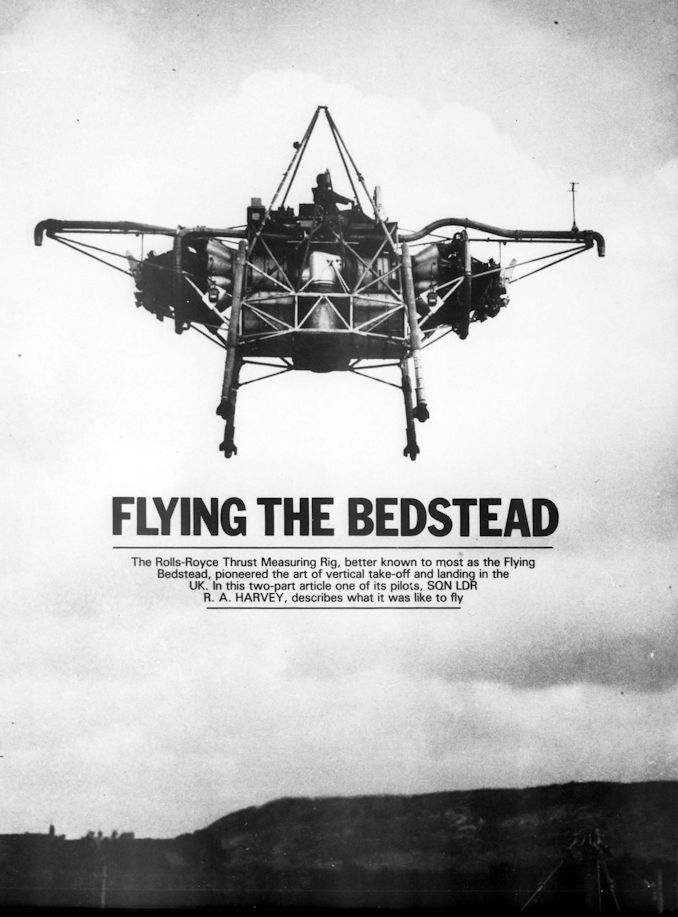
Each result has a specific revision, support condition, time boundary and evidence type. The actual mass balance and duration of the early XJ314 sortie pictured in 6-1 remain open.

Historical observationReproduced simulationOpen evidence
XJ314 · 6-1

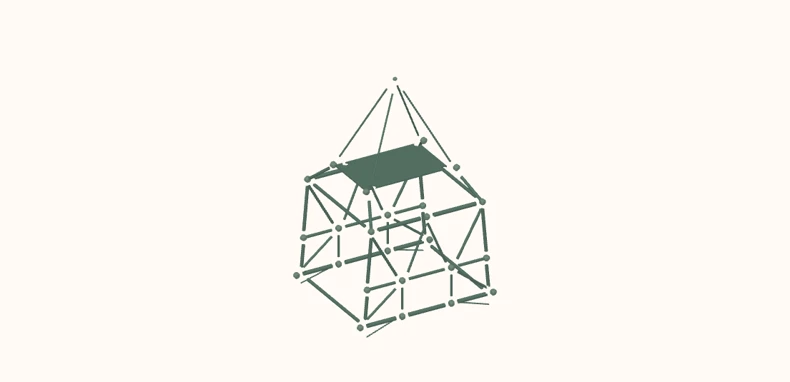
Early XJ314 · Hucknall

An open-frame vertical take-off test rig. Gantry flights and free flight are distinct regimes. Photo 6-1 shows the frame, engines and supports. Its single view leaves the specific sortie, touchdown, duration and telemetry unresolved.

Photo 6-1 from the project record, attributed to the R. A. Harvey publication.

Roadster R07 · FreeCAD

Roadster Rocket · display and simulation

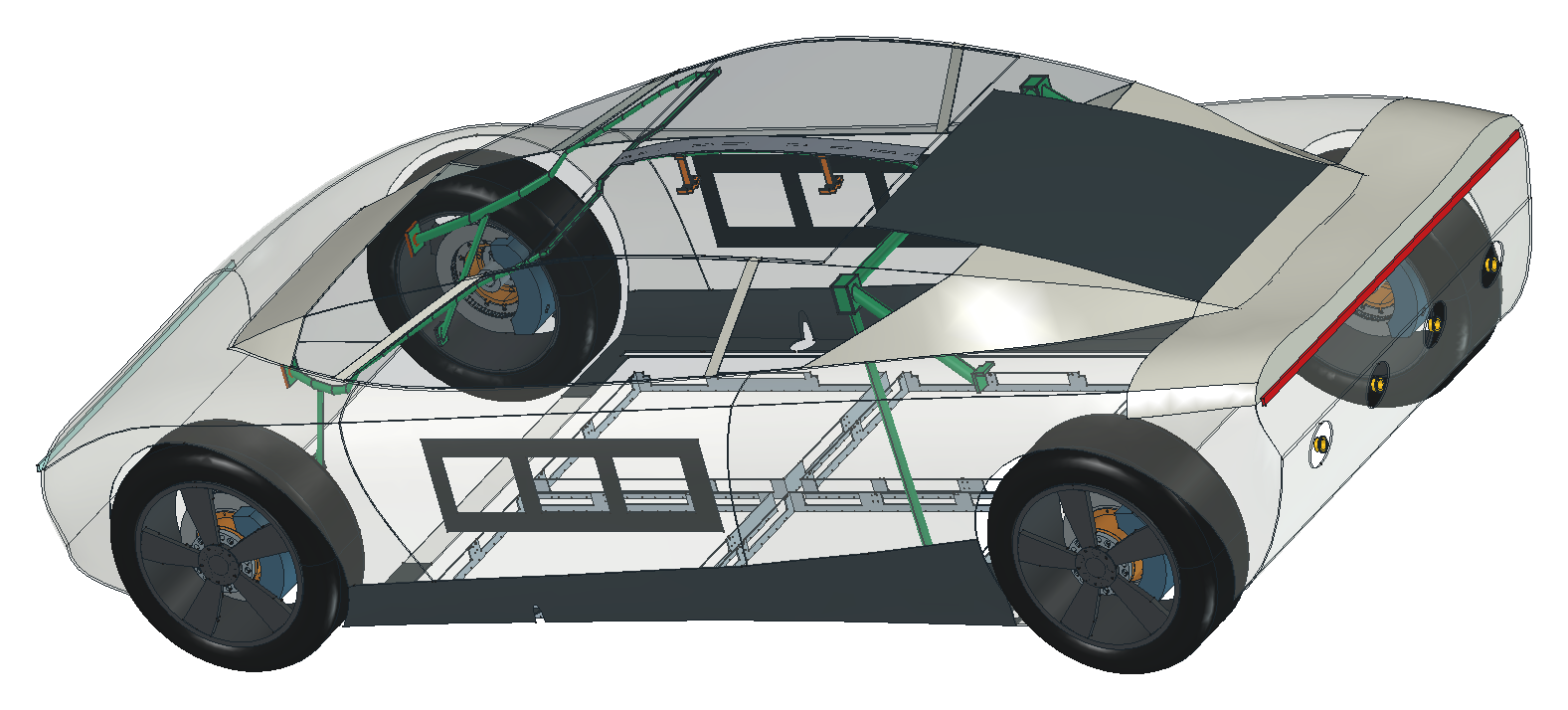
Ramp, Kickflip and Encore are examined through published footage. The local R07 model supplies CAD illustrations. DEV25 R5/C6I documents a separate computational series and its own criteria.

Native view of the local Roadster R07 digital reconstruction.

FeatureXJ314Roadster Rocket
PurposeControlled-flight research with an open test rig.Observed demonstrations, alongside a separate set of locally defined numerical scenarios.
Start and endGantry and free-flight contexts are distinct. Duration of the 6-1 sortie is unknown.A gap after lift-off, the last confidently airborne frame and confirmed ground roll.
Vertical, roll, pitch, yawThe report describes the later RAE layout. Synchronous early six-axis telemetry remains open.Visible poses can be inspected in clips. Forces, commands and exact touchdown need additional records.
Repeat and landingThe historical report documents the test program. R10/R11 P1 reproduces the F/R component model.The archived DEV25 5 m series credited 0 of 4 attempts under its own inputs and thresholds.
Consumption and costFuel and duration of the specific early sortie remain open. The estimate uses editable scenarios.Energy estimates and clip timing rely on explicit scenario and playback assumptions.

What to test when comparing technologies

Control

Record axes, force sources, support and phase. Match the early XJ314 photo to a dated log. For Tesla, record the actions visible in the image.

Transition to support

Compare timeline events around touchdown. Retain a range when contact is obscured and record the evidence behind both limits.

Repeatability

Bind each series to SHA, settings and stopping criteria. Compare the results within the declared input scope.

Maneuvers on the clip timeline

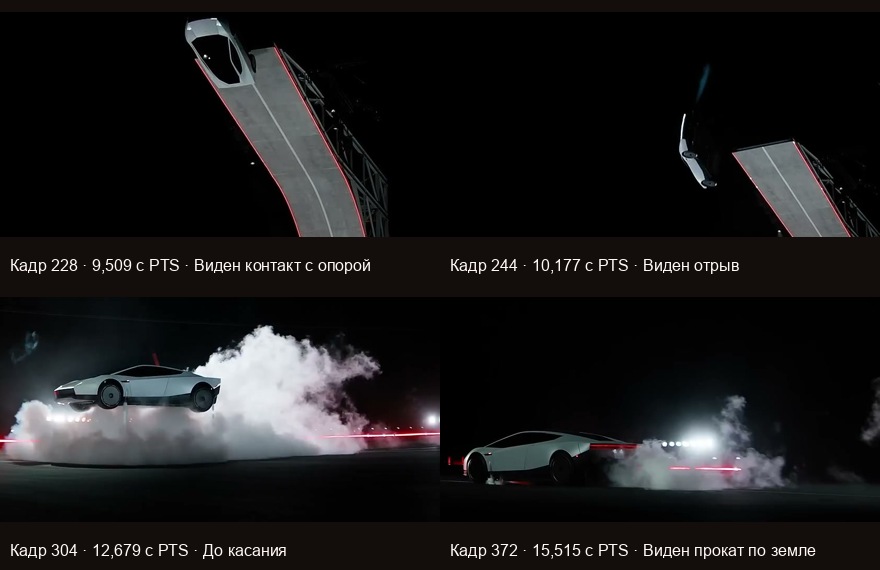
The ranges use four saved presentation timestamps. The lower bound spans the first frame with a gap to the last confidently airborne frame. The upper bound uses the selected pre-lift-off frame and the confirmed ground roll. Touchdown is obscured. Physical time depends on the playback rate.

Ramp

Still from the archived Tesla analysis. Each card identifies the frame window used for the comparison. Original clip

Ramp

Ramp
Kickflip
Encore
ObservationFrame · PTS, s

XJ314, photo 6-1 · sortie duration unknown

SubjectModeEvidence status
XJ314Airborne pose in photo 6-1Observed
XJ314 R10Nominal F/R valve failure, 250 msCompleted in simulation
XJ314Complete sortie trajectory and 6-DOF dataUnknown
TeslaSelected phases of Ramp, Kickflip and EncoreObserved
Roadster DEV25Local 5 m series under its own criteriaSimulation stopped
Both linesPhysical acceptance of a comparable repeatable cycleOutside proven scope

XJ314 computational checks

R11 P1 reran both 432-case grids on the original R10. All 147,518 compared values matched the archive. The original grid returned 128 cases and the candidate-finish grid 114 above the 0.1 g/s numerical screening level.

The orange mark shows first seat contact at 24.0846 ms. The plot covers the F/R subsystem for a 250 ms numerical window.

First impact 0.011712 JReverse mass 5.1365 gMinimum 331.694 kPa abs.

XJ314 assembly and systems

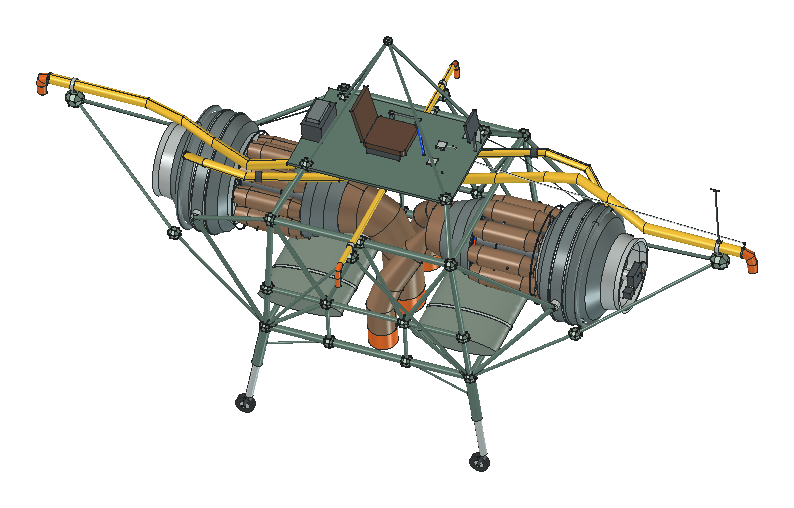
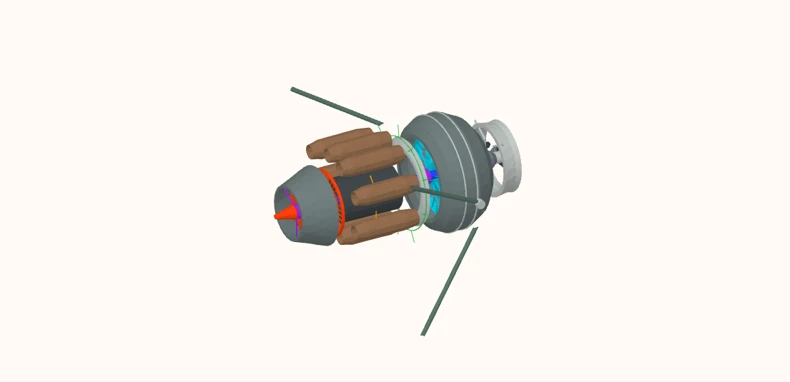
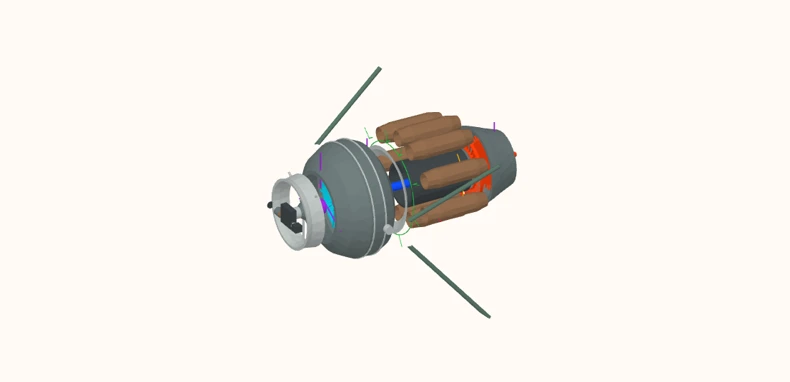
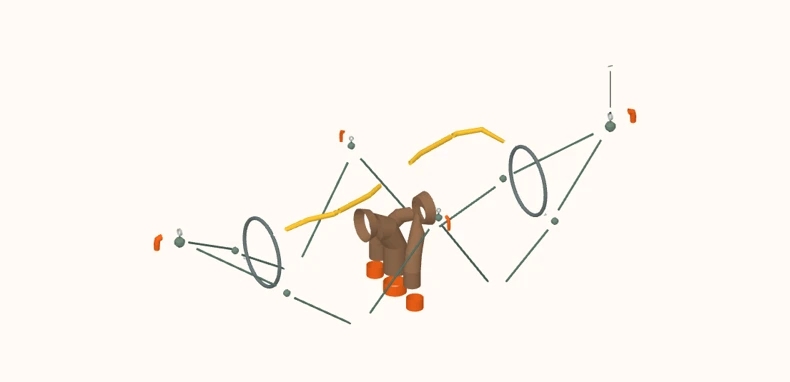
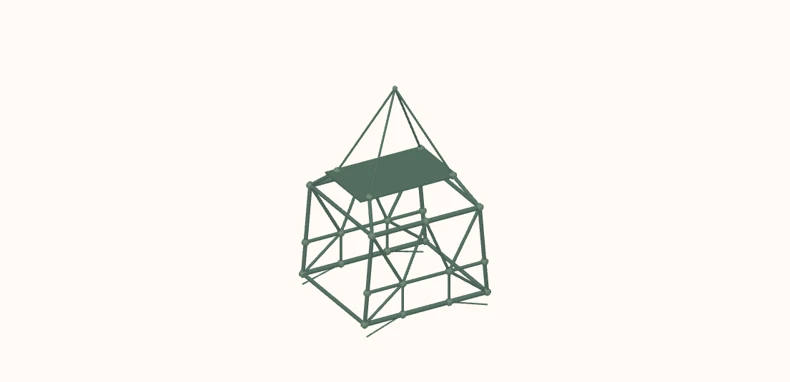
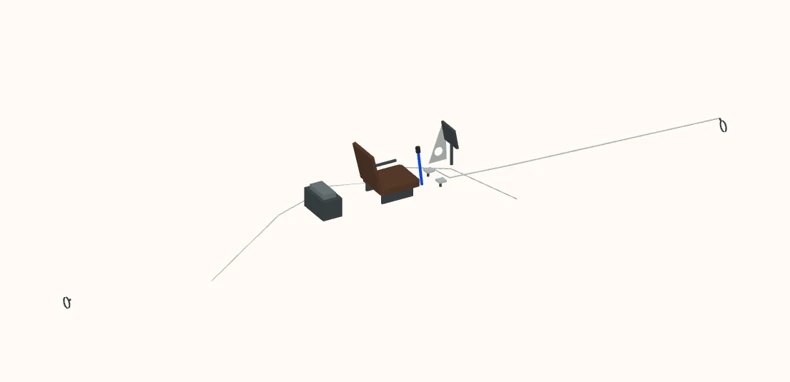
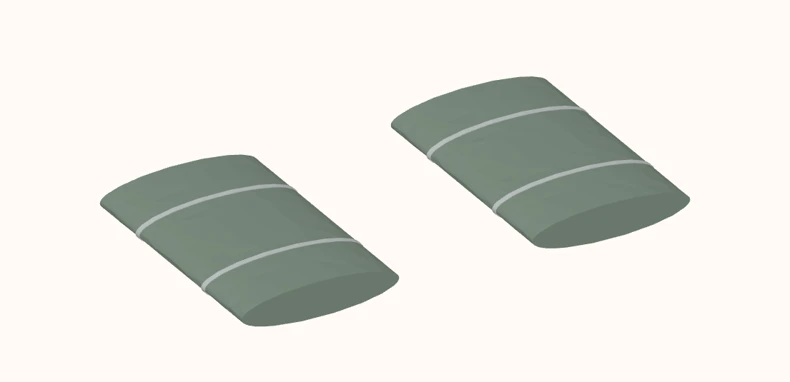
The eight groups use 490 physical objects from the saved FCStd. Colors come from CAD. Select and explode a system to inspect the layout. Assembly paths and maintenance clearances require separate checks.

Native overall view of XJ314
Frame and pylon · Exploded view

Frame and pylon

Tubular structure, deck and protective pylon.

Assembled
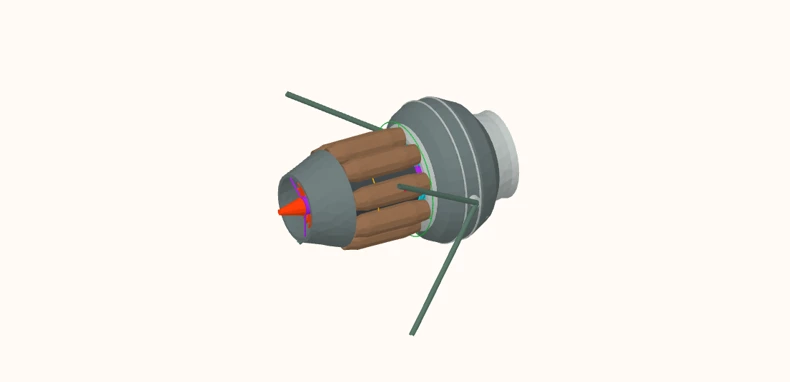
Forward Nene F · Exploded view

Forward Nene F

Forward engine and modeled details.

Assembled
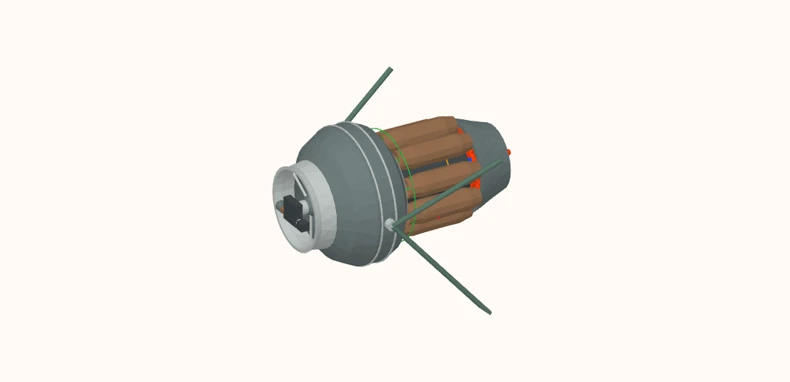
Rear Nene R · Exploded view

Rear Nene R

Rear engine and modeled details.

Assembled
Ducts and nozzles · Exploded view

Ducts and nozzles

Thrust and air circuits.

Assembled
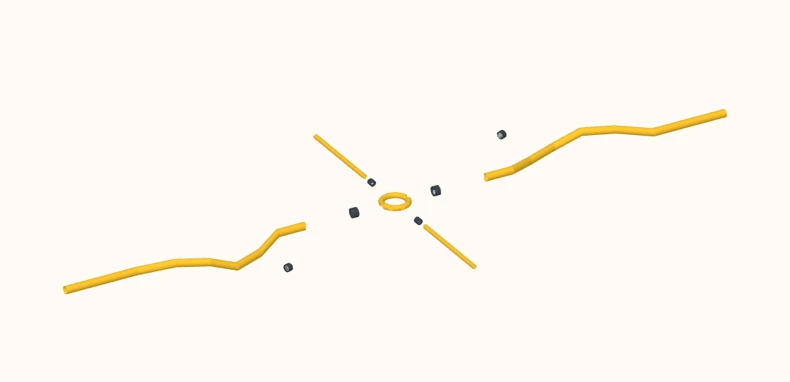
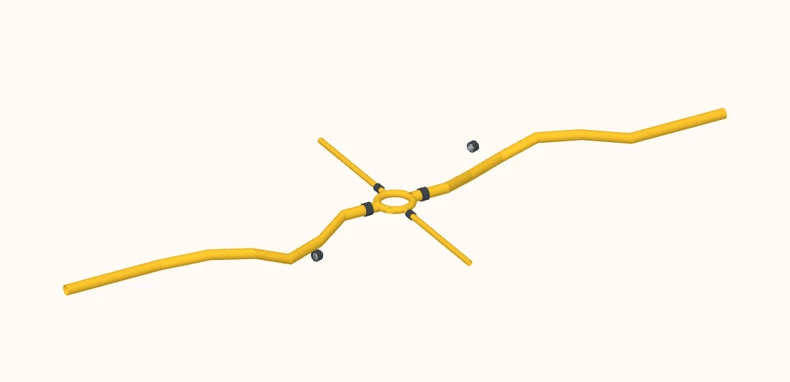
F/R valves and manifold · Exploded view

F/R valves and manifold

Both branches, check valves and a ring manifold.

Assembled
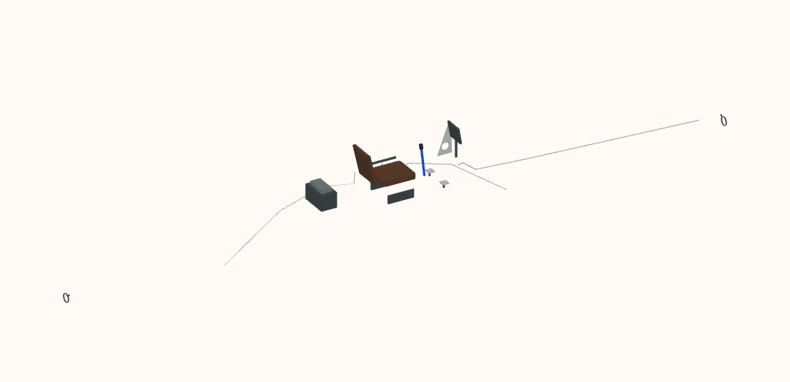
Pilot station and controls · Exploded view

Pilot station and controls

Pilot station, pedals and controls.

Assembled
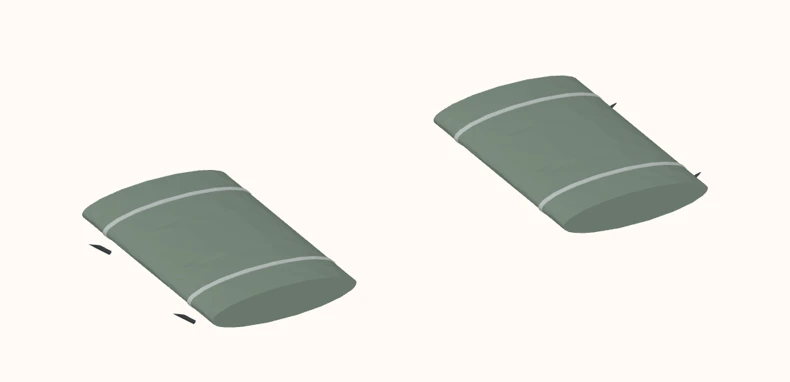
Tank volumes and mounts · Exploded view

Tank volumes and mounts

Geometric volumes and mounts. Early usable capacity remains open.

Assembled
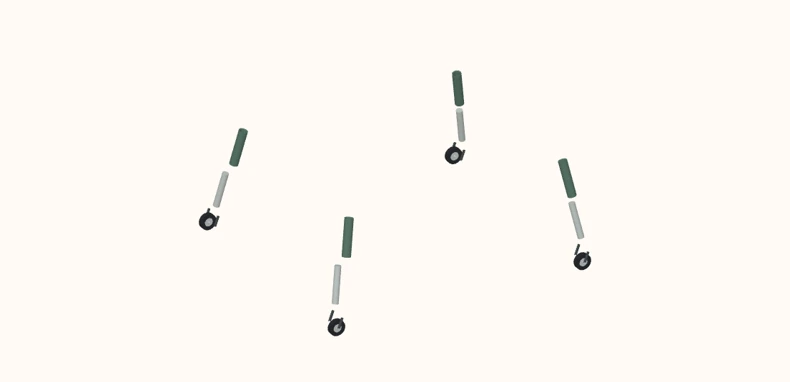
Landing legs and wheels · Exploded view

Landing legs and wheels

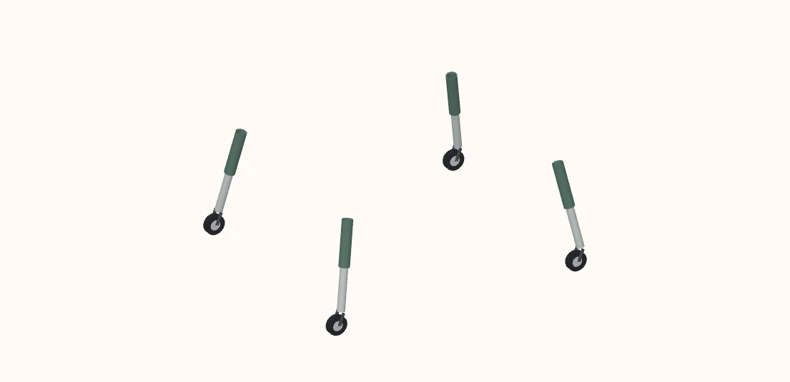
Landing legs, joints and wheels.

Assembled

Release materials

The cost model uses editable assumptions. Cost per airborne second remains open when the underlying cycle duration is unknown.

Overview · English narration

Technical walkthrough · English narration

Key sources